Observability
The Hidden Cost of Observability: Breaking Free from the Vendor Lock-In Tax
Discover how vendor lock-in stifles observability and quality data collection in today’s analytics-driven landscape.

Discover how vendor lock-in stifles observability and quality data collection in today’s analytics-driven landscape.
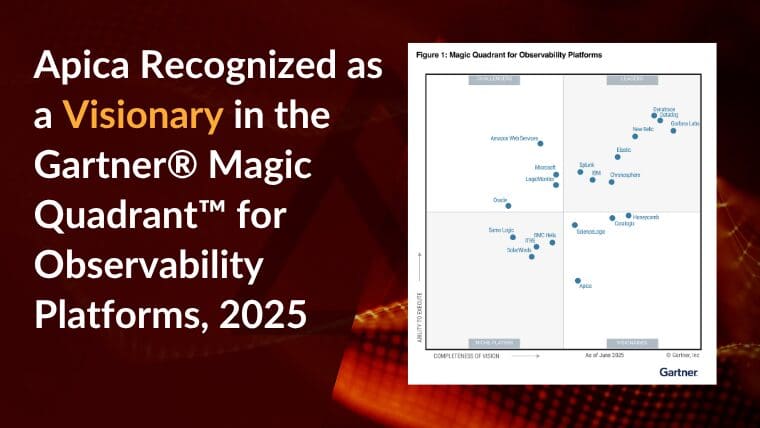
The observability market has a dirty secret: It’s drowning organizations in complexity and cost. While legacy platforms lock you into proprietary agents and force you to pay premium prices for basic insights, we’ve been building something different.

How the industry’s obsession with dashboards and analytics ignores the fundamental data quality crisis happening at collection.

Picture a scenario where everyone in your office brings their printer. Some use inkjet printers, some use laser printers, and some barely work. They all require setup, take up space, and necessitate different levels of support. Most printers do the same thing: print documents, but no one shares them, and support teams are stuck fixing all of them.
In the financial sector today, CIOs face a dual challenge: Reducing IT expenditures and supporting other business units while ensuring strict adherence to regulations like GDPR, PCI-DSS, and SOX. This balancing act becomes increasingly complex as observability data volumes grow exponentially.

In today’s digital-first enterprises, telemetry data is essential—but without control, it becomes a liability. From skyrocketing storage bills to limited visibility across siloed tools, organizations are struggling to make telemetry data useful, secure, and cost-effective.

Learn how distributed tracing works, best practices, major challenges, and explore what are the best distributed tracing platforms in 2025.
When observability is brought up, many assume it will lead to substantial costs. The various tools and resources needed for different monitoring requirements can cause
Every year, new trends and patterns emerge in the observability world. Some recur, and some develop with the changing data and technology landscape. Observability in
